
Becoming a Good Contractor: Skills, Systems, and Standards That Set You Apart
In most markets, homeowners and developers aren’t just buying labor—they’re buying certainty: that the job will be done right, on time, within budget, and to code. “Good” contractors create that certainty through repeatable systems, not luck. Below is a practical, step-by-step roadmap you can follow.

Get the foundations right: training, licensing, and insurance
Education & trade skills. Start with a trade pathway (carpentry, framing, electrical, plumbing, siding, roofing, drywall) or a construction management program. Pair classroom lessons with field hours.
Licensing. Requirements vary by state/city. Study business & law, pass exams, and keep your license active.
Insurance & bonding. Carry general liability and workers’ comp (if applicable). Consider commercial auto and an umbrella policy. For public work or larger private jobs, you may need surety bonds.
Code fluency. Read the building code like a manual, not a mystery. Know local amendments, energy codes, and inspection checklists.
Become fluent in estimating and job costing
Takeoff discipline. Use detailed scopes and standardized assemblies to avoid missed line items. Measure twice—then measure again.
Unit costs & production rates. Track how long tasks truly take your crew. Production data beats guesswork.
Contingencies. Add reasonable allowances for unforeseen conditions (e.g., rot repair, utility conflicts). Make allowances visible in the proposal.
Markup vs. margin. Know the difference. Price to hit your target gross margin after paying subs, materials, and direct job costs.
Change orders. Put changes in writing before work continues. Include scope, cost, and time impacts.
Project management that clients can see and trust
Scheduling. Build a critical path schedule (permit → demo → rough-ins → inspections → close-in → finishes → punch list). Share milestone dates so the client understands the flow.
Subcontractor orchestration. Prequalify subs. Provide clear scopes, drawings, and site rules. Hold weekly coordination check-ins.
Procurement. Order long-lead items early (windows, custom cabinetry, specialty siding). Track ETAs and backorders.
Documentation. Maintain daily logs: labor, deliveries, weather, photos, issues. Good notes protect your timeline and your reputation.
Risk management. Identify top risks (hidden conditions, inspection delays, design gaps) and set owners for each risk with a mitigation plan.
Safety is non-negotiable
Written program. Establish an OSHA-aligned safety plan: PPE, fall protection, ladders/scaffolds, electrical, silica, trenching.
Tailgate talks. Five minutes every morning saves injuries and days lost.
Site housekeeping. Clean, organized sites communicate professionalism, reduce accidents, and impress inspectors and clients.

Quality begins at preconstruction
Submittals & mockups. Approve materials and installation details before production scale. Mock up key assemblies (window flashing, cladding transitions, tile waterproofing) to set expectations.
Hold points. Schedule quality checkpoints prior to covering work—especially waterproofing, flashing, insulation, and air sealing.
Test & verify. Use moisture meters, blower-door tests (when applicable), and manufacturer checklists. Keep records with photos.
Communicate like a pro (and prevent 90% of problems)
Kickoff meeting. Align on scope, selections, access rules, work hours, parking, and dust control.
One source of truth. Use a client portal or shared folder for schedule updates, RFIs, selections, change orders, and invoices.
Expectation management. Under-promise and over-deliver. If something slips, inform the client immediately with a recovery plan.
Closeout binder. Provide warranties, manuals, paint codes, permits, inspection sign-offs, and final photos. Include maintenance tips.
Specialize where it counts
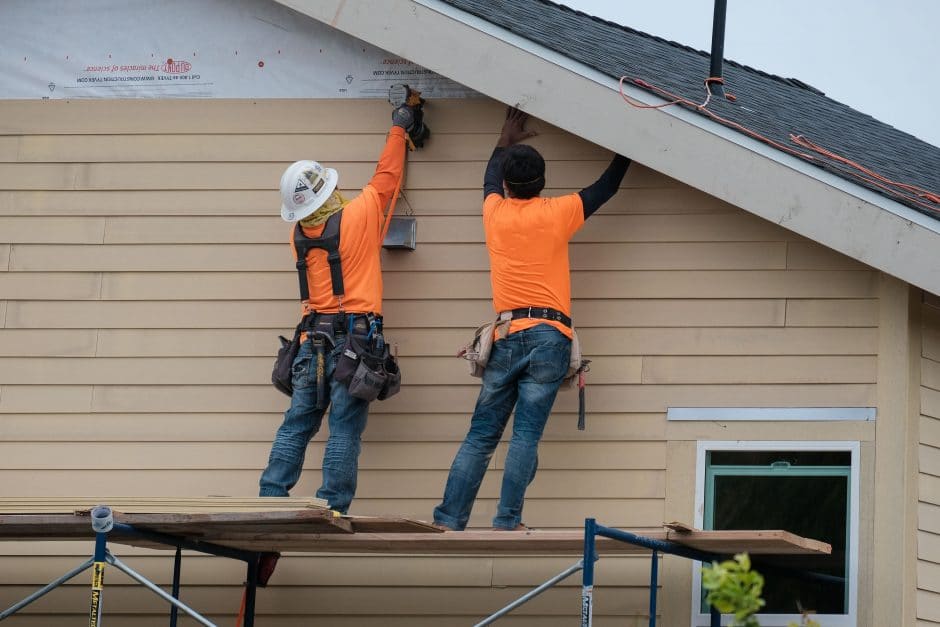
Generalists are valuable, but recognized specialties build authority and referrals. For exterior envelopes, premium cladding, and design-driven exteriors, mastering Custom siding can differentiate your brand with high-margin, high-impact work. Specialization sharpens crews, streamlines estimating, and makes marketing clearer.

Build an A-team and keep them
Hiring. Look for attitude and coachability. Skills can be taught; standards are harder to install.
Onboarding. Document the way you build: installation standards, safety, site etiquette, photo documentation. Train to it.
Career paths. Show apprentices how they become leads; show leads how they become supers or PMs. Growth retains talent.
Culture. Praise publicly, coach privately. Consistent standards and respect keep turnover low.
Vendor and subcontractor partnerships
Prequalify. Check licenses, insurance, backlog, and references. Start with smaller scopes before handing them a critical path package.
Scorecards. Track subs on safety, quality, schedule adherence, and paperwork speed. Keep only the reliable ones.
Strategic suppliers. Build relationships with lumber yards, window reps, and specialty fabricators. Preferred partners help you solve problems fast.
Money management that keeps you in business
Cash flow. Align payment schedules with cost curves and milestones. Avoid financing the project for the client.
Job cost tracking. Compare estimate vs. actual weekly. Spot slippage early and act.
Retainage & warranties. Plan for retainage in cash flow. Budget a warranty reserve for year-one callbacks.
Taxes & compliance. Work with a construction-experienced CPA. Keep immaculate records.
Marketing, sales, and reputation
Brand basics. A clean logo, branded trucks, and tidy sites send a strong message.
Proof. Before-and-after photos, process videos, and documented case studies beat slogans.
Reviews & referrals. Ask for reviews at substantial completion, once the punch list is done and excitement is high. Build a referral program that rewards advocacy.
Consultative sales. Diagnose first, prescribe second. Educate prospects; don’t push. Provide options with clear trade-offs.

Technology stack that saves hours
- CRM for leads and follow-ups.
- Estimating software for takeoffs and assemblies.
- Project management for schedules, RFIs, change orders, and client communication.
- Field apps for daily logs and photo documentation.
- Accounting integration to keep costs and billing aligned.
Pick a stack, standardize, and train everyone to use it.
Legal & ethical standards
Contracts. Clear scope, payment terms, timeline, and dispute resolution. Avoid vague language.
Permits & inspections. Never skip them. The short-term “win” becomes a long-term liability.
Ethics. Tell the truth about delays, defects, and costs. Integrity travels faster than ads.
Continuous improvement: how good gets great
After-action reviews. Post-project, gather the team: What went well? What failed? What will we change next time?
Standard Operating Procedures (SOPs). Convert lessons into playbooks. SOPs turn personal skill into company capability.
Training cadence. Monthly skills workshops; quarterly safety refreshers; annual code updates.
A simple checklist to run on every job
- License, insurance, permits verified
- Detailed scope, selections, and allowances confirmed
- Baseline schedule issued and shared
- Long-lead items ordered; delivery dates tracked
- Safety plan posted; daily tailgate talks scheduled
- Quality hold points defined and inspected
- Change-order process enforced
- Daily logs with photos maintained
- Closeout binder prepared before final walkthrough
Becoming a good contractor isn’t about a single talent—it’s the compound effect of systems + skills + standards applied consistently. Master the business basics, manage risk, communicate clearly, and deliver verifiable quality. Do that, and you’ll win the two things that matter most: repeat clients and unwavering referrals.
Comments are closed